
You’ve heard the saying “Where the rubber meets the road” and today we are talking about the tread pattern of that rubber.
Once you found the right skid steer track by learning how to measure a rubber track, it is now time to pick out the tread pattern. While it can seem like a never-ending selection of tread patterns, let’s break each one down and explain their use cases. You’ll find that while there are different tread patterns out there, there’s normally more than one tread pattern to get the job done!
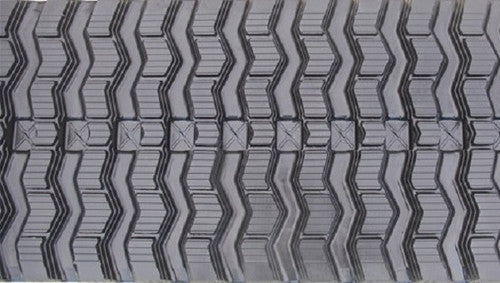
Zig Zag Pattern

Extreme Versatility
The Zig Zag tread pattern is the swiss army knife of tread patterns. This pattern has been proven to provide a smooth ride with optimal impact or wear on multiple surfaces. This pattern can be used in dirt, gravel, mud and even snow.
Straight-Bar

Aggressive and effective
When traction in slippery terrain is a priority, a Straight-Bar pattern reigns supreme! Straight-Bar is the most aggressive tread pattern available. It has great results in snow and mud where traction is key. It can also be used anywhere traction is more important than the condition of the ground left behind. Be known, this pattern does not provide the operator a smooth ride as some of the other patterns. But hey, are we here to get the job done or ride on comfort? This patten is commonly used in Gravel, Dirt, Mud and Snow.
C-Pad

Great for inclines such as slopes and hills
The C-Pad pattern can also be referred to as C-Lug, C-Block or C-Pattern. All these names are referring to the same tread pattern. This pattern can be identified easily by its distinctive “c-shaped” design. This pattern provides a slightly more aggressive bite than the Staggered Block design. This gives it optimal traction and flotation for better results on slopes and hills. This pattern is commonly used in Asphalt, Grass, Gravel and Dirt.
Stagged Block

High Versatility
The Staggered Block tread pattern creates a nice mixture of good balance and traction. For the operation, this pattern minimizes vibration by putting more surface area of rubber on the traveling surface which helps spread the weight load while increasing flotation. This pattern is commonly used in Asphalt, Gravel, Grass and Dirt.
Turf

Great for delicate surfaces such as grass
This tread pattern helps protect delicate surfaces while providing maximum contact to the ground. This pattern will provide the best ride to an operate while leaving the terrain in great shape after the work is done. This pattern is commonly used on Asphalt and Grass.
Multi-Bar

Aggressive and Smooth
The Multi-Bar tread pattern is an aggressive design while also providing a smoother ride than the straight-bar design we discussed early. It provides great traction and flotation. This pattern is commonly used on Dirt, Grass and Snow.
Choosing the right tread pattern for the terrain will play a large role in how long your rubber track will last. Check out our guide on how to choose the best skid steer tracks for maximum efficiency.